z-z235636095517.png)
ICP-OES Inductively coupled plasma - optical emission spectrometry
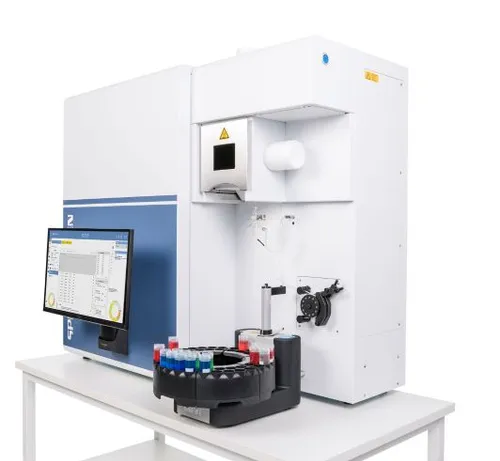
ICP-OES (Inductively coupled plasma - optical emission spectrometry) is a technique in which the composition of elements in samples can be determined using an argon plasma and a spectrometer and it is mainly used for liquid samples.
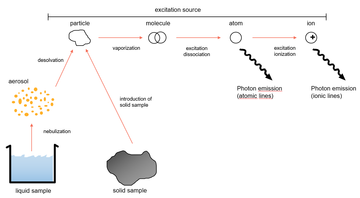
To analyze the sample, it needs to be turned into an aerosol (“nebulization”) which is injected into the plasma. Solid samples can be analyzed directly if a method for vaporization is available using laser ablation or electrothermic vaporization (ETV). The high temperatures in the plasma are sufficient to atomize and ionize the sample and provide the energy for excitation.
Leading main Applications of ICP-OES Across Various Fields
★ Environmental Analysis & Agro-Chemical Using ICP-OES
From trace-level heavy metals in the µg/L range to major elements at % concentrations, ICP-OES delivers exceptional multi-element analysis in a single run. Engineered for demanding samples such as seawater, wastewater, soils, sediments, and sludge, it provides outstanding high-TDS tolerance and reliable performance across diverse environmental and agricultural applications. Ideal for water quality monitoring, contamination assessment, soil nutrient analysis, fertilizer management, food safety testing, and environmental remediation.★ Geology and Mining Using ICP-OES
ICP-OES is a versatile tool for the analysis of geological samples, from prospecting and mining to refining. It plays a crucial role in mining processes to determine the raw material, control the concentration process and quality control the final product. Many mines utilize ICP-OES to verify the composition and purity of the extracted manganese-, nickel-, and precious metals ores. With the depletion of traditional mining resources, ICP-OES is also employed to recover valuable metals from e.g. electronic waste.
In these recycling efforts, ICP-OES assesses the metal content in scrap materials and evaluates the purity of the refined metals. The technology is also important for the analysis of rare earth elements, which have become increasingly vital for the economy and advanced research and development. Accurate analysis of these elements ensures their efficient use in various applications, from everyday products to cutting-edge technologies.
★ Petroleum and Petrochemicals analysis
In the petroleum industry, ICP-OES plays a critical role in elemental analysis. It is used to monitor the production of fuels, oils, and additives, ensuring quality and compliance with standards. Additionally, ICP-OES analyzes wear metal content and additive consumption in used oils. This information is vital for assessing product effectiveness and maintaining the health of machinery such as turbines for energy production and motors in cargo ships and other large vehicles.
★ Chemical Analysis Using ICP-OES
ICP-OES is widely used for chemical analysis, particularly in production quality control and process monitoring. Its ability to analyze multiple elements from µg/L to percent levels makes it ideal for evaluating raw materials, intermediate and finished products. Applications include fertilizers (focusing on P and K), batteries (Pb, Mn, Co, Ni, Li analysis), and inorganic raw materials. In demanding industries such as chlorine, caustic soda, and soda ash production, ICP-OES analyzes brines (25-30% NaCl solutions), requiring the capability to handle high total dissolved solids and maintain trace element sensitivity.
Accessories like sheath gas and argon humidifiers enhance performance for these analyses. ICP-OES is essential in pharmaceuticals for analyzing trace elements in drug formulations and raw materials, ensuring compliance with regulatory standards and detecting elemental impurities. In food and beverage industries, it detects and quantifies heavy metal and nutrient elements, crucial for maintaining food safety and quality standards.
ICP-OES
เครื่องวิเคราะห์โลหะหนักด้วยหลักการ ICP
ICP-OES
เครื่องวิเคราะห์โลหะหนักด้วยหลักการ ICP